
Hair Transplant Gone Wrong — Causes, Signs, Risks & Fixes
Hair transplant is generally considered a safe cosmetic procedure, but like any surgery, it can sometimes go wrong. A failed or botched transplant can affect not only your appearance but also your scalp health and confidence.
Research shows that while most procedures are successful, complications such as infection, scarring, poor growth, and dissatisfaction can occur — especially when surgery is performed by inexperienced teams or in poorly regulated clinics.
Can a Hair Transplant Go Wrong?
Yes — a hair transplant can fail due to poor surgical technique, bad aftercare, or unrealistic expectations. Failed transplants often result in unnatural hairlines, visible scarring, patchy growth, or infection.
Even though the procedure is usually safe, surgical complications like infection, wound problems, or skin damage are possible in rare cases.
Common Signs of a Hair Transplant Gone Wrong
1. Unnatural Hairline
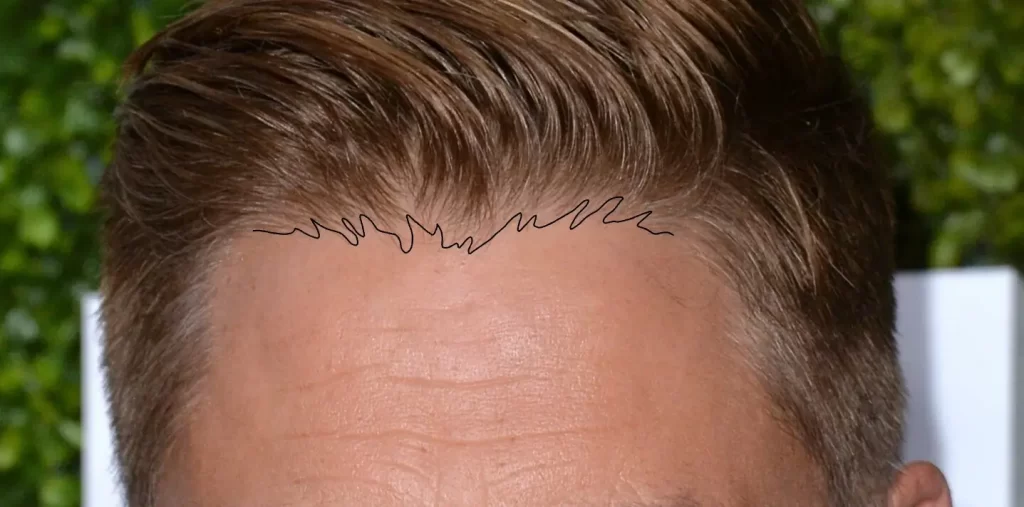
A poorly designed hairline is one of the most obvious signs of a bad transplant. Inexperienced surgeons may implant grafts at the wrong angle or density, making the result look artificial.
2. Visible Scarring
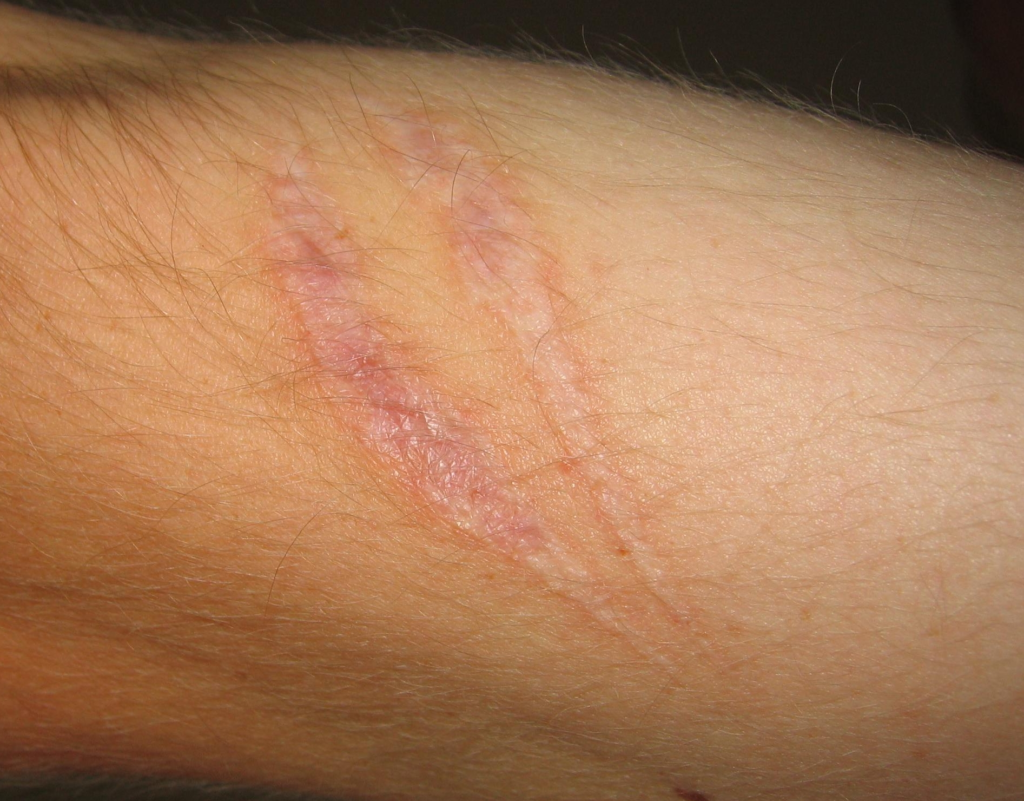
Scarring can occur when outdated techniques or improper tools are used. Severe scarring may permanently prevent hair from growing in affected areas.
3. Poor Hair Growth or Patchy Density
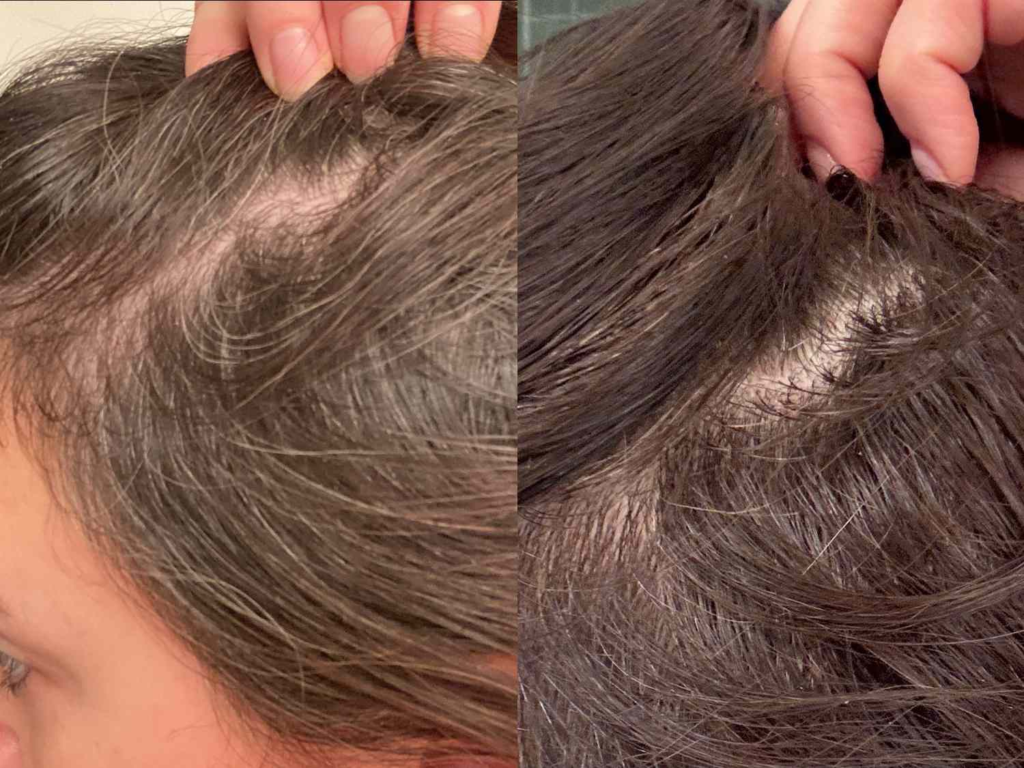
If transplanted follicles don’t survive, hair may grow unevenly or not grow at all. Improper graft handling and surgical mistakes are common causes.
4. Infection & Inflammation

Infections may develop due to poor hygiene or improper aftercare. Symptoms include redness, swelling, pain, or pus.
5. Scalp Necrosis (Severe Complication)
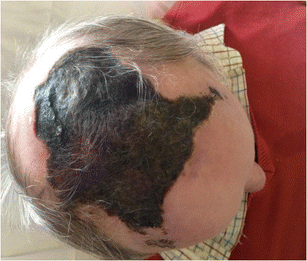
In rare cases, tissue damage or poor blood supply can cause skin death (necrosis), often linked to excessive graft numbers or surgical trauma.
6. Cysts or Bumps on Scalp
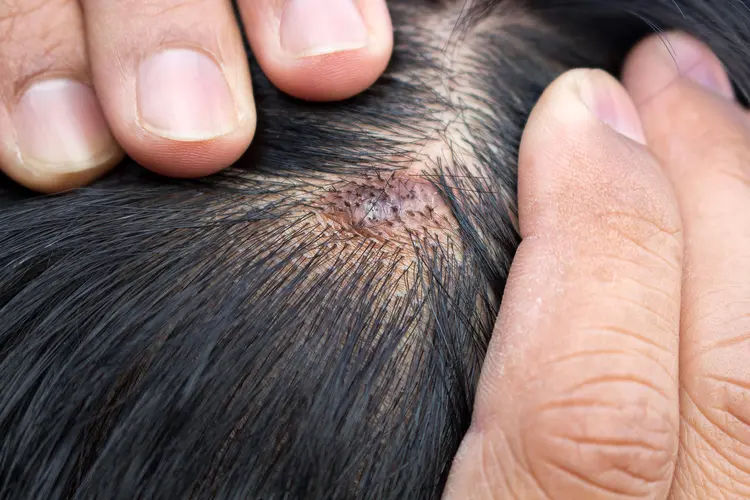
Multiple cysts may appear after poor extraction techniques or excessive fluid use during surgery.
7. Shock Loss
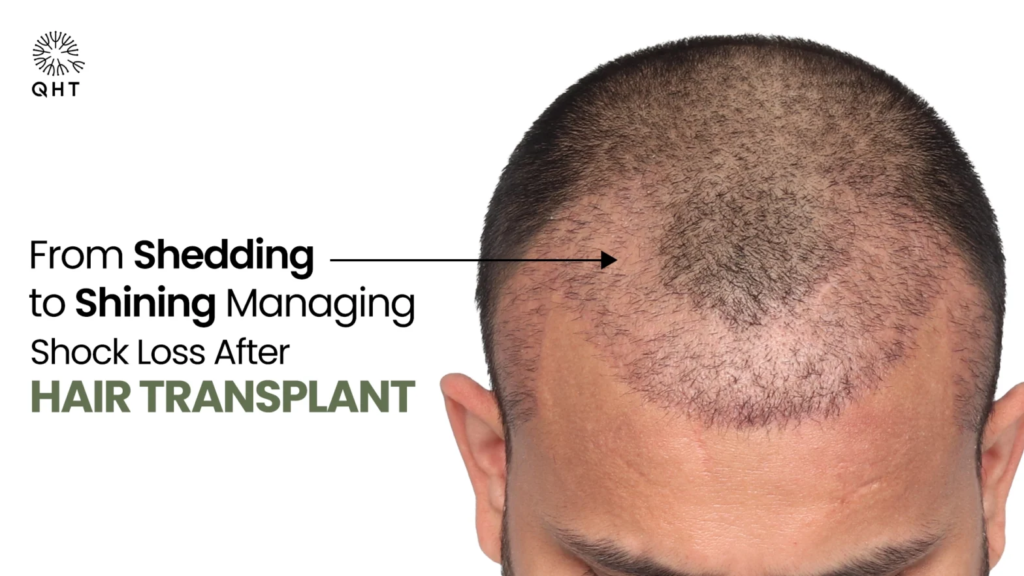
Temporary shedding of transplanted or surrounding hair is common after surgery, but excessive or prolonged shock loss may indicate complications.
Main Causes of Hair Transplant Failure
1. Inexperienced Surgeon or Clinic
Unlicensed clinics or poorly trained technicians increase the risk of botched results and complications.
2. Poor Candidate Selection
Not everyone is suitable for transplant surgery. Weak donor hair or unrealistic expectations can lead to unsatisfactory outcomes.
3. Mega Sessions & Excessive Grafts
Implanting too many grafts in one session can damage scalp blood supply and lead to necrosis or poor growth.
4. Improper Aftercare
Ignoring aftercare instructions — scratching, heavy exercise, or poor hygiene — can damage grafts and cause infections.
5. Medical Tourism Risks
Low-cost overseas clinics may prioritize speed over safety, increasing the risk of complications and poor outcomes.
Real Risks & Side Effects
Even successful procedures may cause temporary side effects such as swelling, scabbing, itching, and shock loss.
Rare but serious risks include nerve damage, severe infection, or allergic reactions to anesthesia.
A tragic case reported in India highlighted how a botched transplant can even become life-threatening, raising concerns about regulation in cosmetic surgery.
How Often Do Hair Transplants Fail?
The failure rate is relatively low (under ~10%), but poor technique, smoking, infections, or graft damage can increase the risk significantly.
Can a Bad Hair Transplant Be Fixed?
Yes — corrective treatments are available:
- Revision hair transplant surgery to improve density or hairline
- Scalp micropigmentation to camouflage scars
- Laser therapy or PRP to boost follicle survival
- Scar revision surgery for severe scarring
Corrective procedures are usually done after 9–12 months, once the scalp fully heals.
How to Avoid a Hair Transplant Gone Wrong
- Choose a board-certified hair transplant surgeon
- Avoid “cheap package deals” and unregulated clinics
- Review before-and-after results carefully
- Discuss realistic expectations
- Follow strict post-operative care instructions
Most complications are preventable with proper surgical technique and wound care.
