Top 9 Testosterone Hair Loss Treatments That Regrow Thicker Hair Naturally
What Is Testosterone Hair Loss?
Testosterone hair loss refers to hair thinning caused by the hormone dihydrotestosterone (DHT), a by-product of testosterone. When testosterone converts into DHT, it can bind to hair follicles and shrink them over time. This process, known as miniaturization, leads to thinner hair, slower growth, and eventually hair loss.
Testosterone-related hair loss is commonly seen in male pattern baldness, but women with hormonal imbalances (like PCOS) may also experience it.
Signs of Testosterone Hair Loss
Recognizing hormonal hair loss early can help prevent permanent follicle damage. Common symptoms include:
- Receding hairline
- Thinning crown or temples
- Gradual hair miniaturization
- Increased hair shedding
- Slower hair regrowth
In women, testosterone-related hair loss may show as widening part lines and crown thinning rather than receding hairlines.
How Testosterone Causes Hair Loss
Testosterone itself doesn’t directly cause hair loss. The issue arises when testosterone converts into DHT through an enzyme called 5-alpha reductase. DHT binds to follicle receptors and shortens the hair growth cycle, causing weaker, thinner strands.
Genetics also plays a major role. If your follicles are sensitive to DHT, hair loss may develop earlier or progress faster.
9 Best Testosterone Hair Loss Treatments That Work
1. DHT Blocking Shampoos
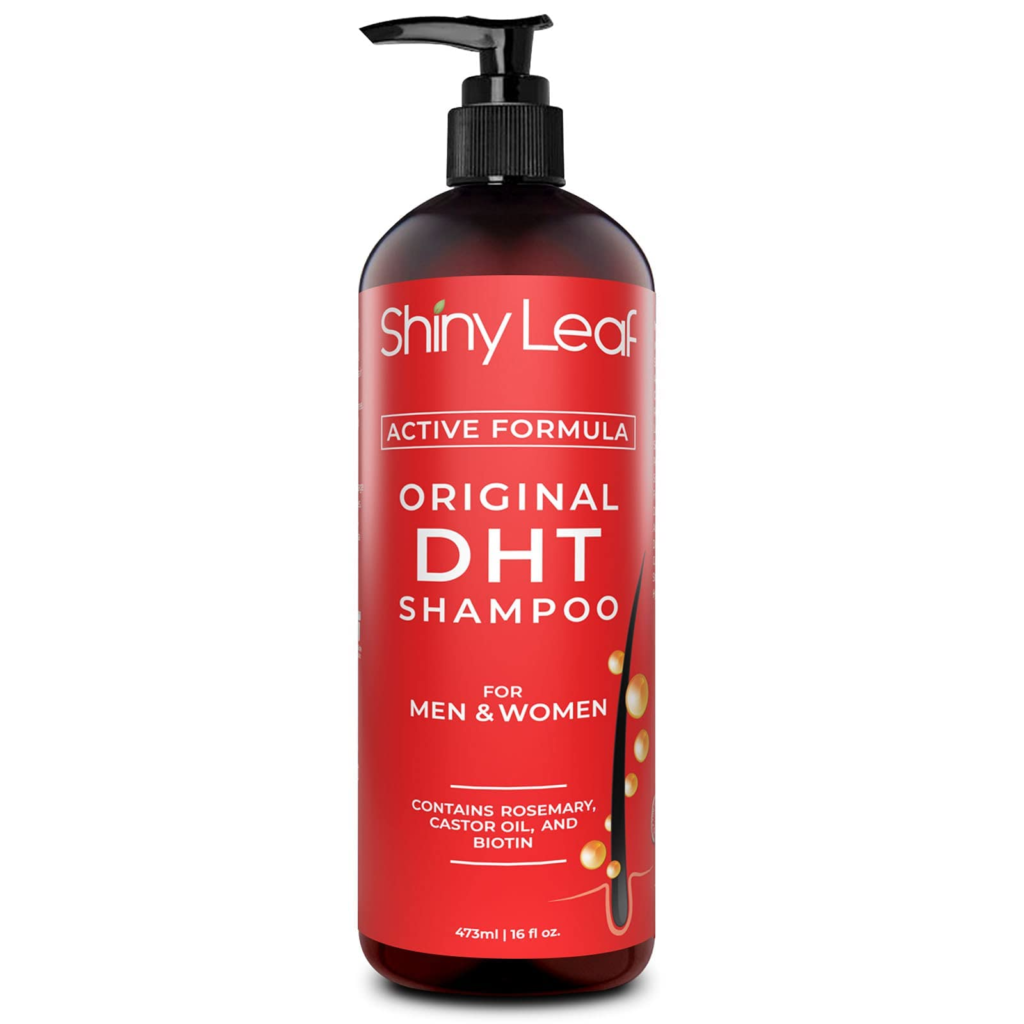
DHT-blocking shampoos contain ingredients like ketoconazole, caffeine, and saw palmetto that reduce scalp DHT buildup. Regular use can help slow hair thinning and improve scalp health.
2. Minoxidil for Hair Regrowth
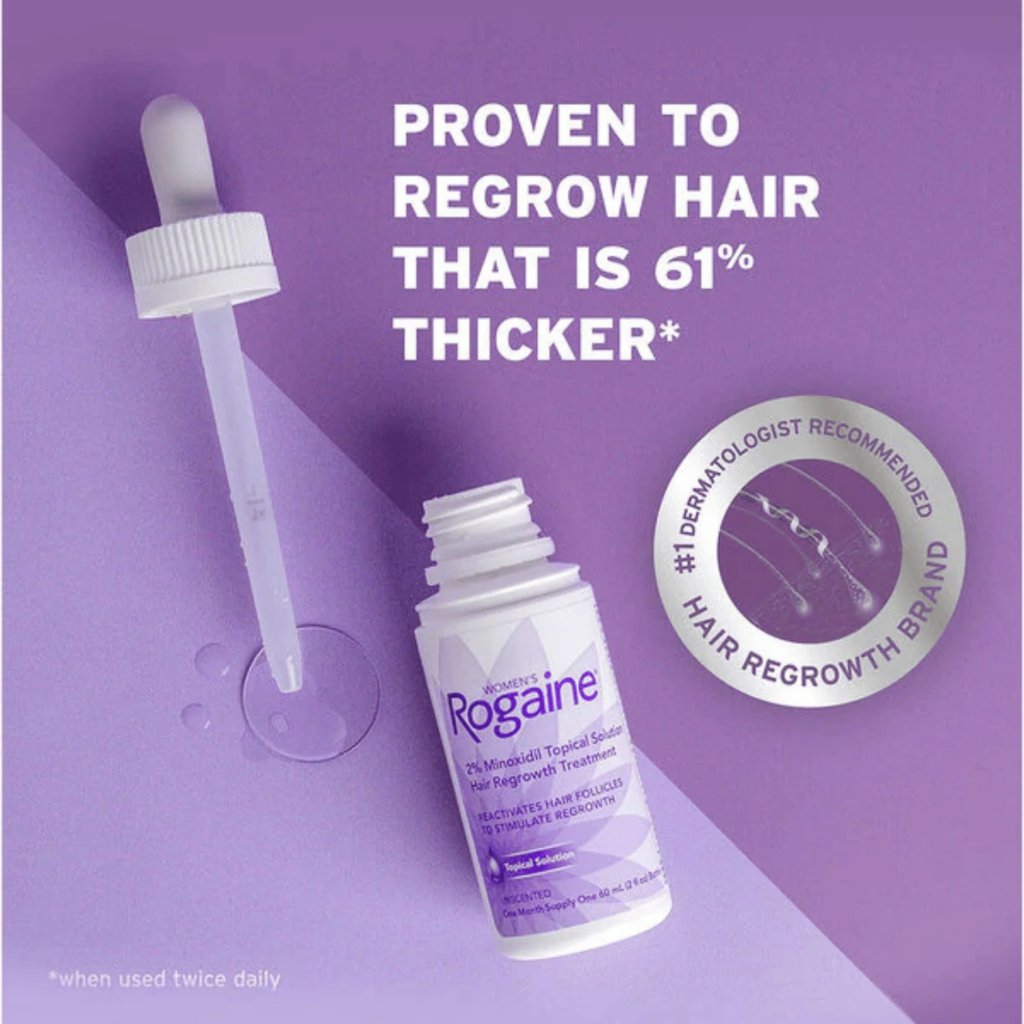
Minoxidil is one of the most widely recommended treatments for androgenic hair loss. It increases blood flow to follicles and extends the growth phase, promoting thicker hair growth.
3. Finasteride for Hormonal Hair Loss
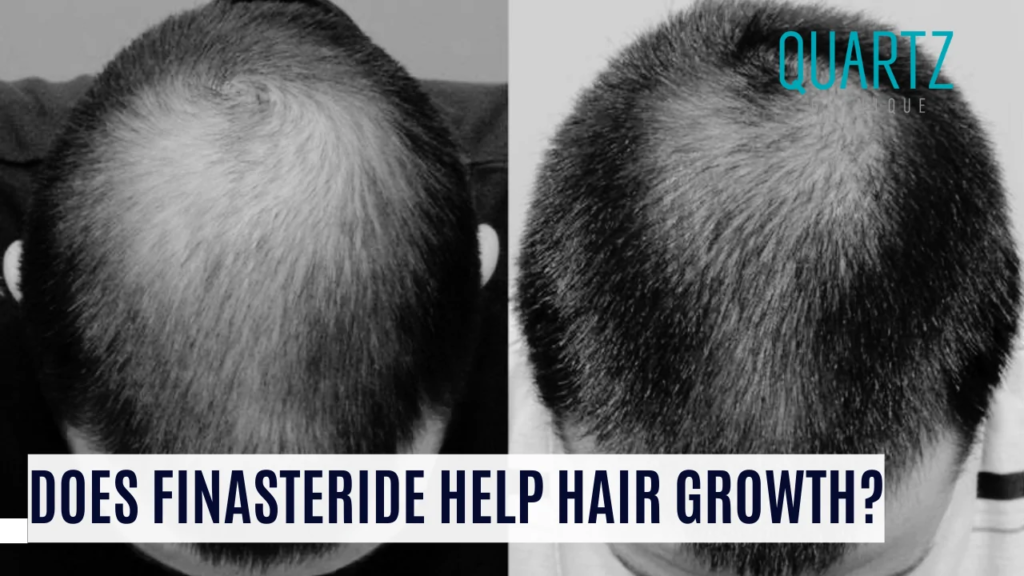
Finasteride works by inhibiting the 5-alpha reductase enzyme, reducing DHT levels in the scalp. It is commonly prescribed for male pattern baldness and can significantly slow hair loss progression.
4. Saw Palmetto as a Natural DHT Blocker

Saw palmetto is a natural herbal remedy believed to reduce DHT production. Many supplements and hair products include this ingredient for testosterone-related hair thinning.
5. Low-Level Laser Therapy
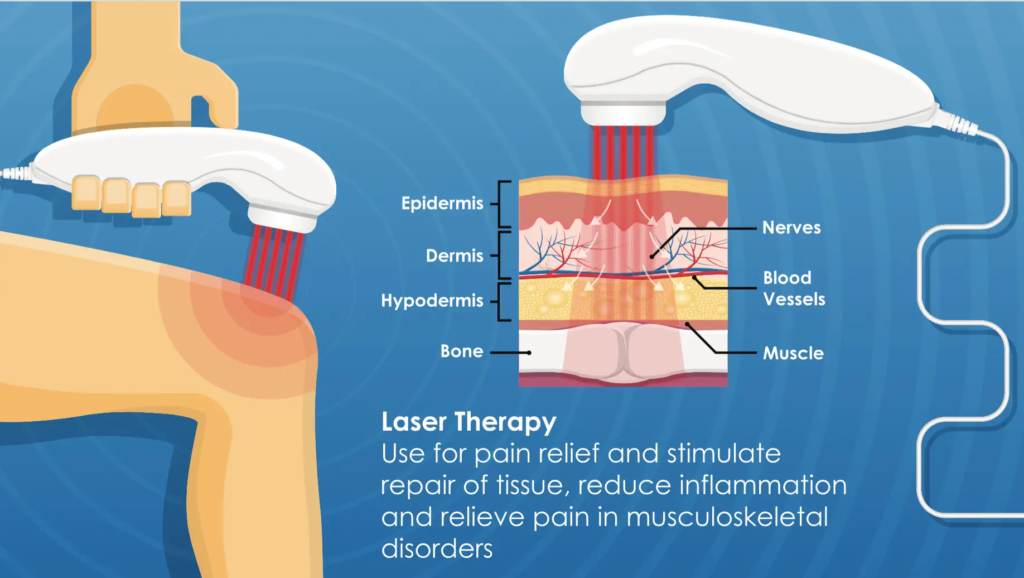
Laser therapy stimulates hair follicles, improves blood circulation, and supports thicker hair growth. It is a non-invasive option for managing hormonal hair loss.
6. Anti-Androgen Diet for Hormonal Balance
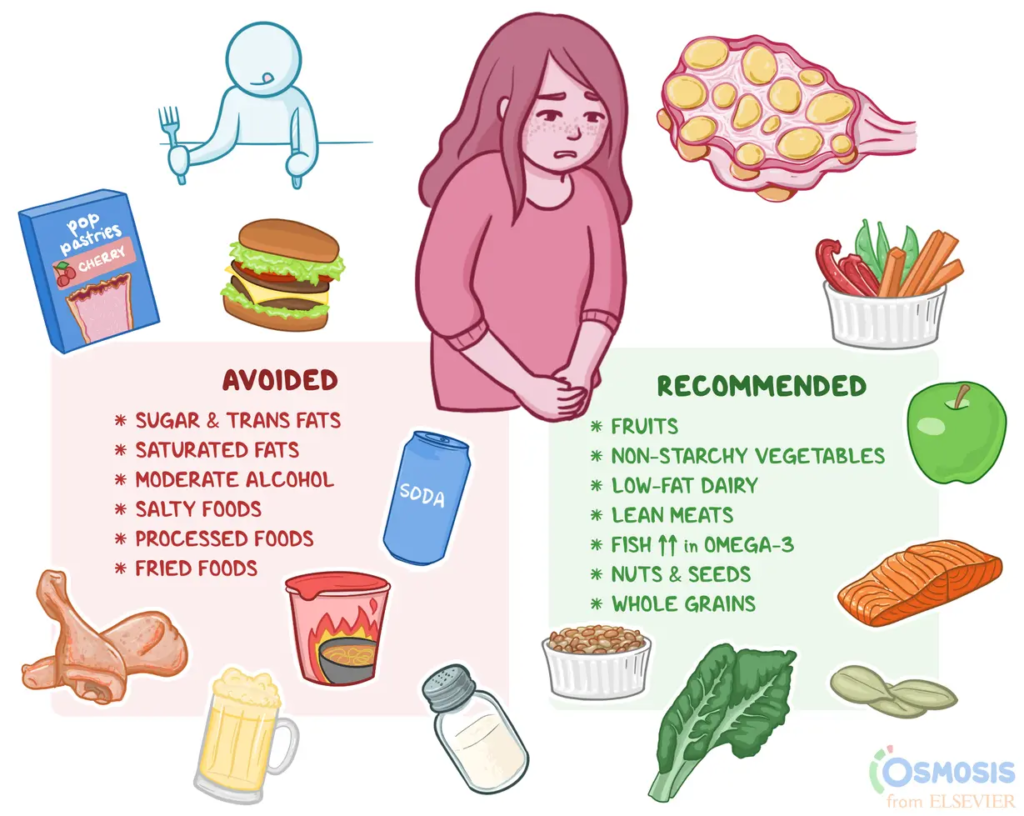
A balanced diet rich in zinc, omega-3 fatty acids, and antioxidants can help regulate hormone levels and reduce inflammation linked to DHT sensitivity.
7. Scalp Massage for Follicle Stimulation
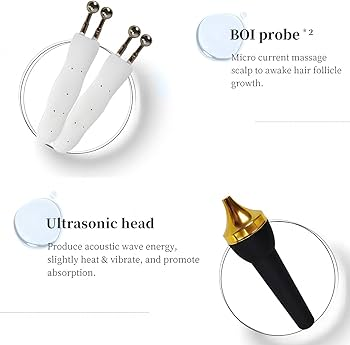
Daily scalp massage improves blood circulation and reduces tension around follicles, supporting hair growth and thickness.
8. Stress Management to Balance Hormones
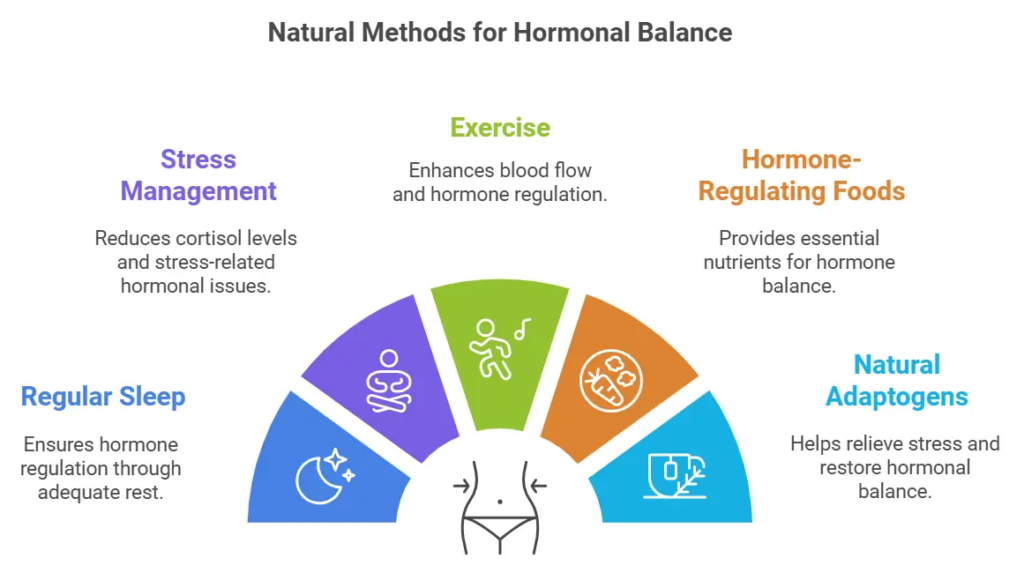
Chronic stress increases cortisol, which can worsen hormonal imbalance and accelerate hair thinning. Stress reduction techniques like yoga and meditation can support hormonal stability.
9. Medical Consultation & Hormonal Testing
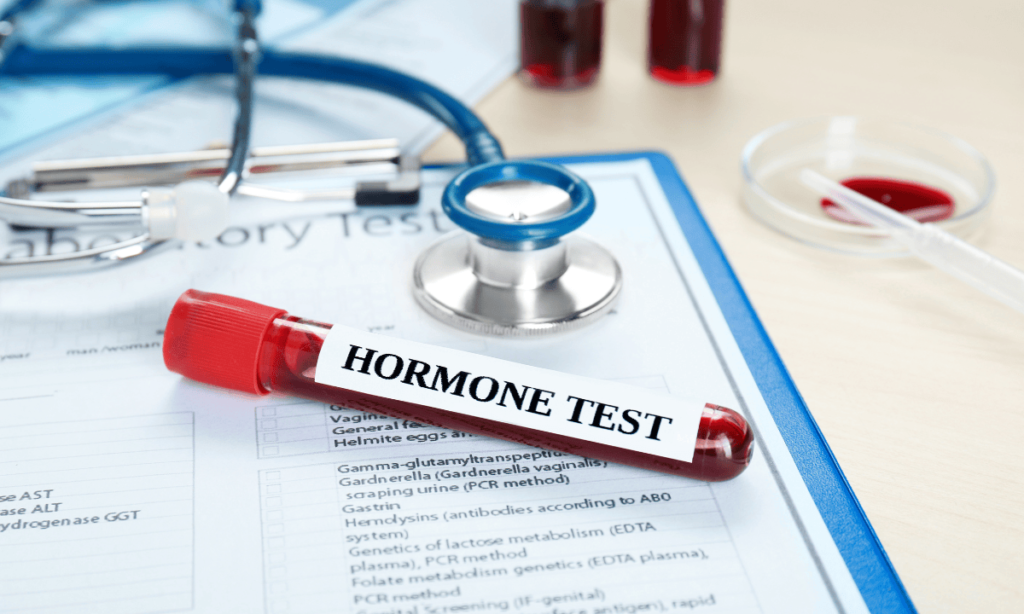
Blood tests can identify hormone imbalances contributing to hair loss. A dermatologist or endocrinologist can recommend personalized treatments for long-term management.
Best Natural Remedies for Testosterone Hair Loss
Natural approaches can complement medical treatments:
- Rosemary oil scalp massage
- Pumpkin seed oil supplements
- Green tea (natural DHT blocker)
- Onion juice for follicle stimulation
- Aloe vera for scalp health
These remedies support follicle strength and reduce inflammation.
How Long Does Testosterone Hair Loss Recovery Take?
Hair regrowth varies depending on treatment consistency and follicle sensitivity. Many people notice reduced shedding within 2–3 months, with visible regrowth appearing after 4–6 months of consistent treatment.
Tips to Prevent Testosterone Hair Loss
- Maintain a balanced diet rich in nutrients
- Manage stress and sleep quality
- Use gentle hair care routines
- Avoid harsh chemical treatments
- Seek early treatment if hair thinning begins
